


New US studies strengthen the scientific evidence on CRP in lower respiratory tract infections

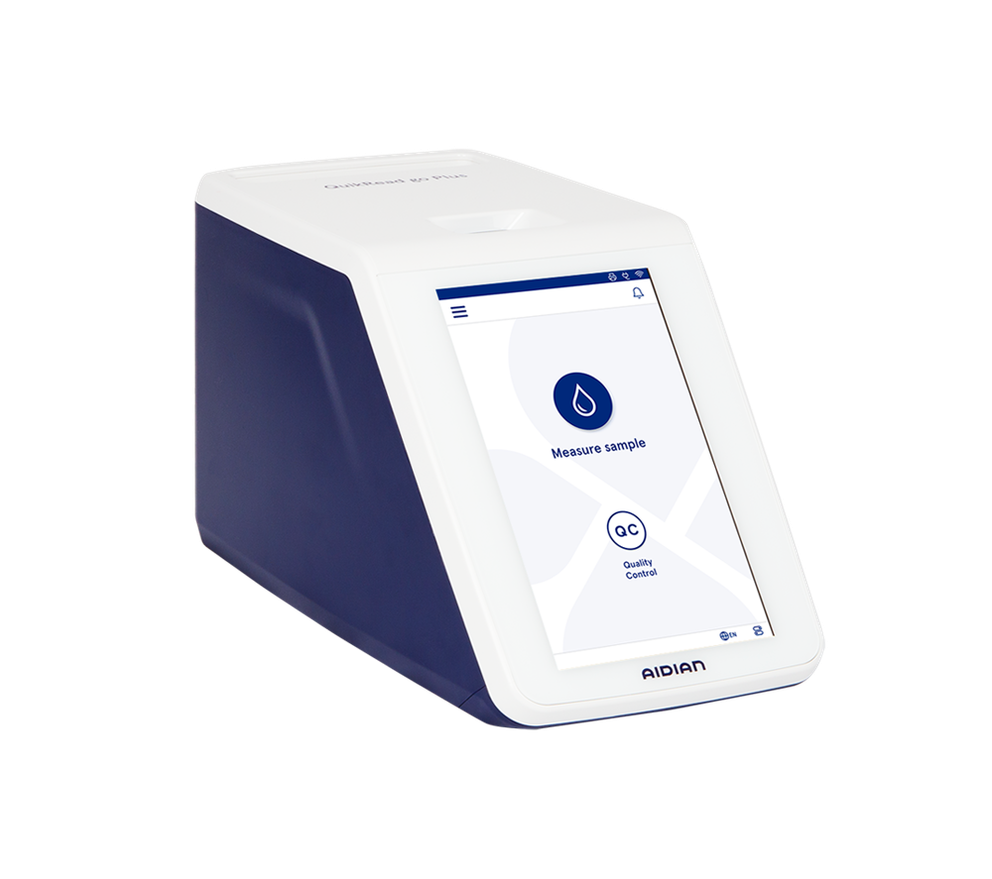
An EAST-PC study (Enhancing Antibiotic Stewardship in Primary Care) adds important new scientific evidence on the role of C-reactive protein (CRP) as part of clinical assessment in adult patients with acute lower respiratory tract infections (LRTIs) in the US. The study used QuikRead go CRP in 575 adult patients and reported findings in two published articles.
The results show that CRP can provide fast and objective information that supports clinical assessment and may help reduce diagnostic uncertainty when interpreted alongside other clinical findings.
Why this study matters
CRP testing is already well known in Europe, where it is routinely used across many healthcare settings and is included in the management of lower respiratory tract infections in several clinical guidelines.
In the United States, CRP has traditionally been used more selectively, often as an additional source of information rather than a standard part of respiratory infection management. The EAST-PC study therefore contributes contemporary evidence from a US population, complementing findings previously reported mainly in Europe and other studies.
Key findings from the EAST-PC publications
An article published in BMJ Open Respiratory Research in 2025 reported that CRP ≥ 20 mg/l was associated with pneumonia in patients with acute LRTI, and was also associated with longer duration and severity of illness. Similar findings have been reported in European studies, and this was now confirmed with a contemporary US population.
The second article, published in the European Journal of General Practice in 2026, evaluated previously published risk scores for identifying community-acquired pneumonia in a US study population. The GRACE risk score, which includes CRP, performed best and was successfully validated in the US study population. The Area Under the Curve (AUC) value was 0.81, suggesting that GRACE score combined with CRP may support clinical assessment of pneumonia. These findings support further research on combining CRP with clinical assessment when evaluating patients with suspected pneumonia.
Conclusion
Together, these articles contribute to the scientific understanding of CRP in respiratory care by highlighting its potential to support clinical assessment and reduce diagnostic uncertainty.
Learn more about QuikRead go CRP
Discover QuikRead go CRP and related solutions as approved in your region:
- QuikRead go CRP (US version)
- QuikRead go CRP
Regulatory notice
The scientific publication referenced in this post was conducted using the QuikRead go CRP US version. Products with the same name may be marketed outside the United States under different regulatory approvals and specifications. While the reagents are chemically equivalent, intended use, sample types, testing environment, and other regulatory conditions may differ by region.
Product links provided in this post refer to approved product versions as marketed locally. Please refer to the applicable Instructions for Use and local product information for region specific indications and intended use.
References and links to original articles:
Article 1: Ebell M. et al. Association of C-reactive protein with cause, duration and severity of lower respiratory infections in primary care: a prospective cohort study. BMJ Open Respir Res 2025;12:e003240. https://doi.org/10.1136/bmjresp-2025-003240
Article 2: Ebell M. et al. External validation of risk scores and multivariate models for the diagnosis of community-acquired pneumonia in outpatients. Eur. J. Gen. Pract 2026; 1: 2628370. https://doi.org/10.1080/13814788.2026.2628370